Enriching the List: Historic England Research Project
- Historic England
- January - April 2022
- Research into listed sites in Plymouth to add context to their listings
- Plymouth Heritage Praxis
Plymouth Heritage Praxis worked with partners in the heritage industry to get us practical experience as part of my MA Heritage Theory & Practise.
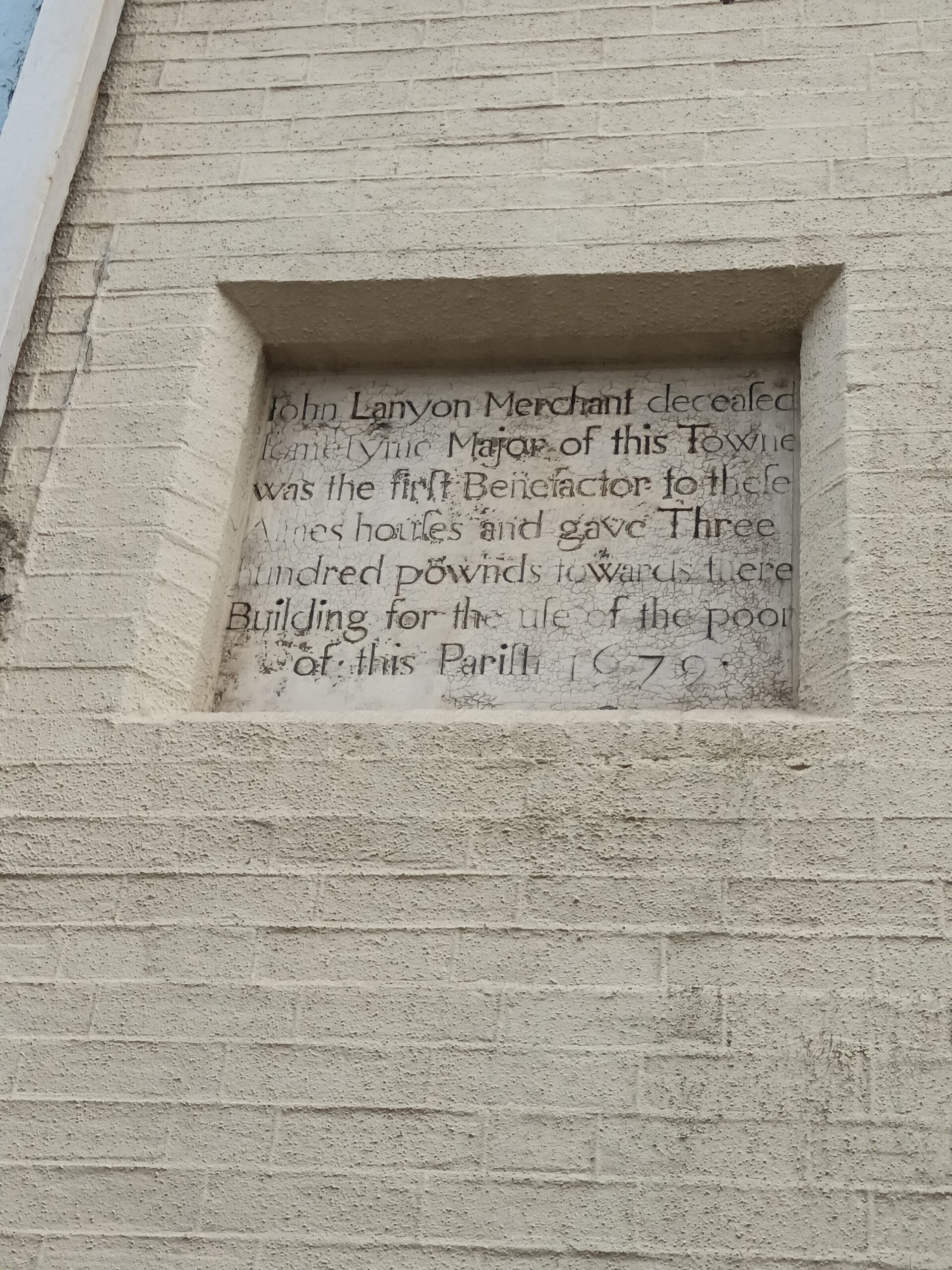
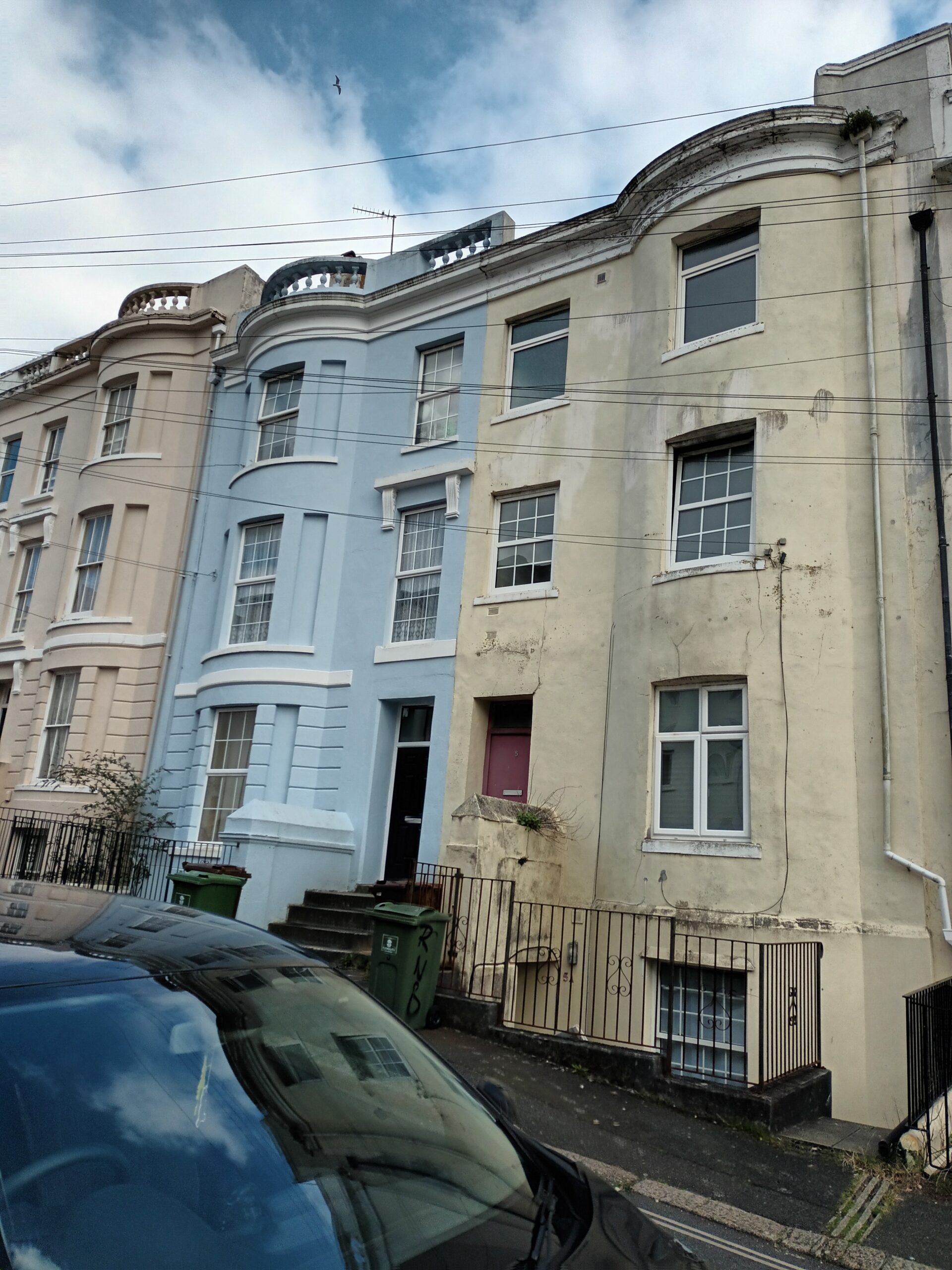
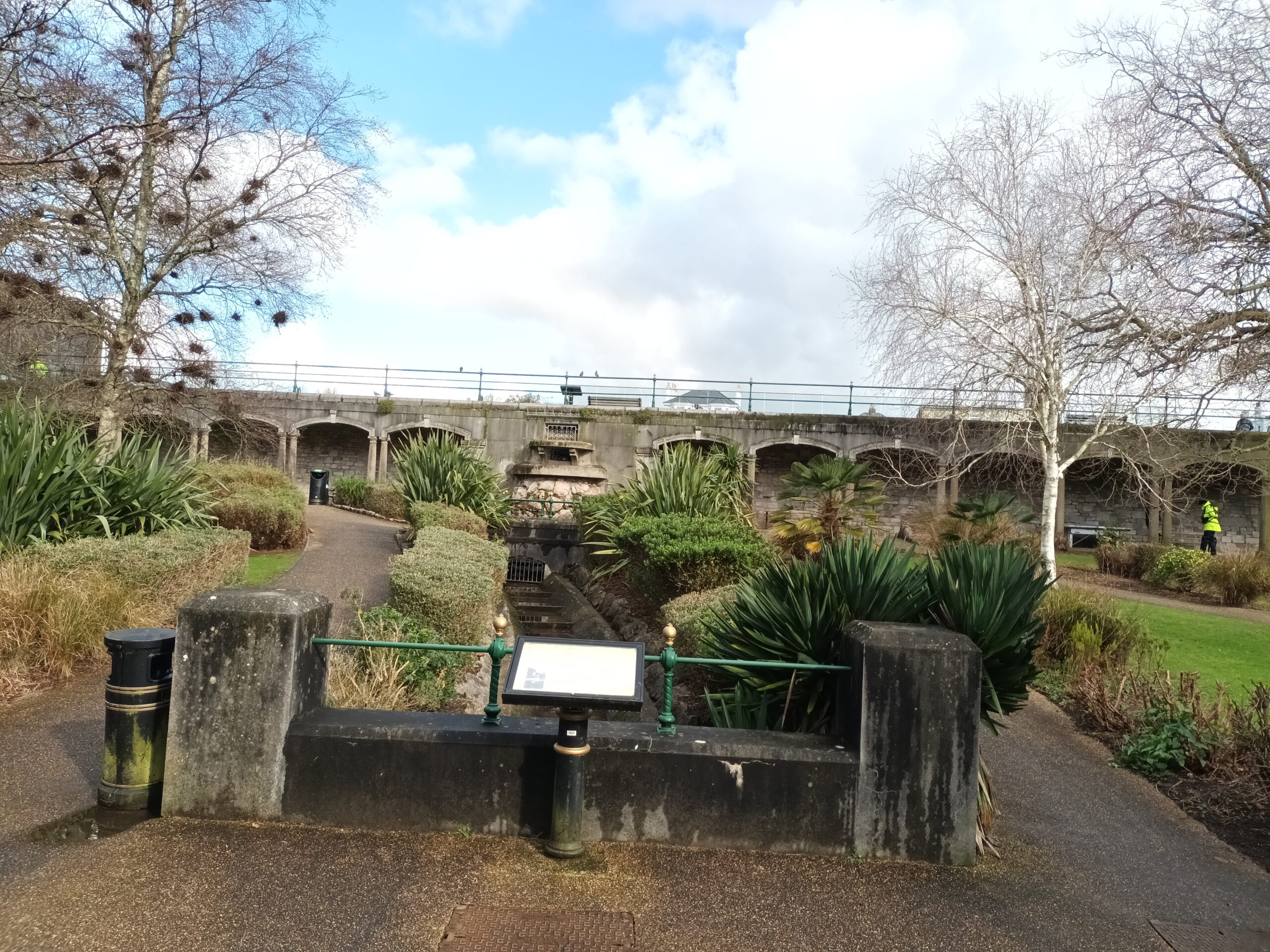
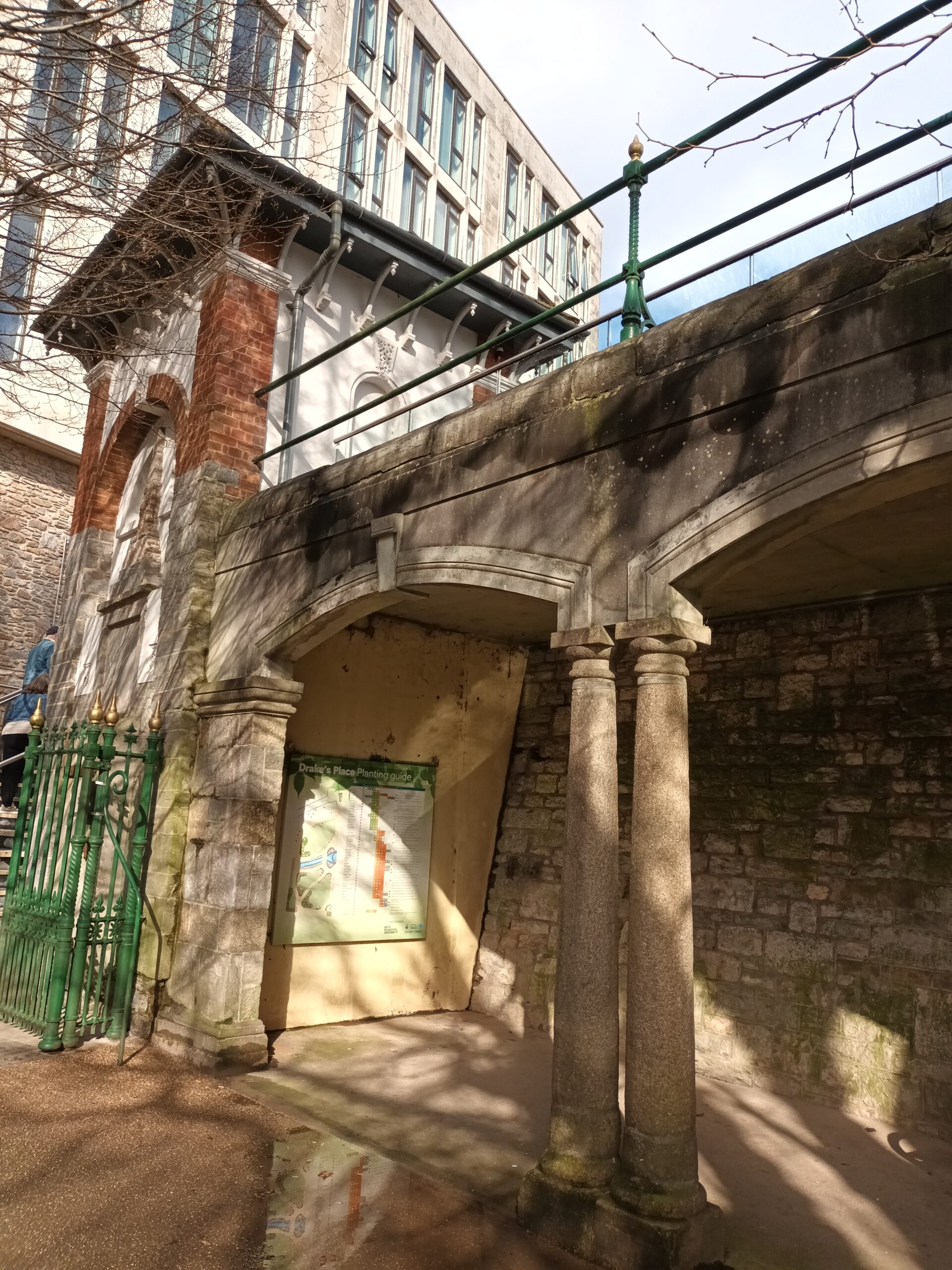
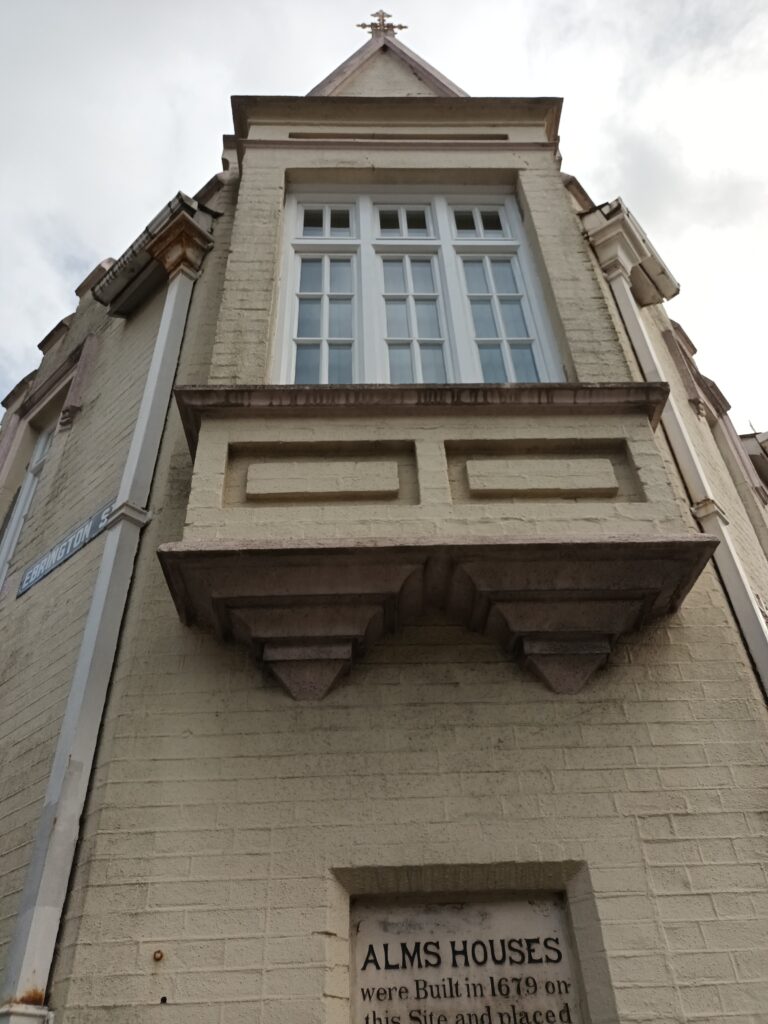
This was a pilot study ran on behalf of Historic England. We each had three listed buildings or sites within Plymouth to research. Our findings and photography were to be added to the official description on Historic England’s website. These descriptions brought the sites to life – they offered social and historical context to what made these sites significant to encourage the public to research their own listed buildings. They also made the existing complex archaeological descriptions understandable to a lay person.
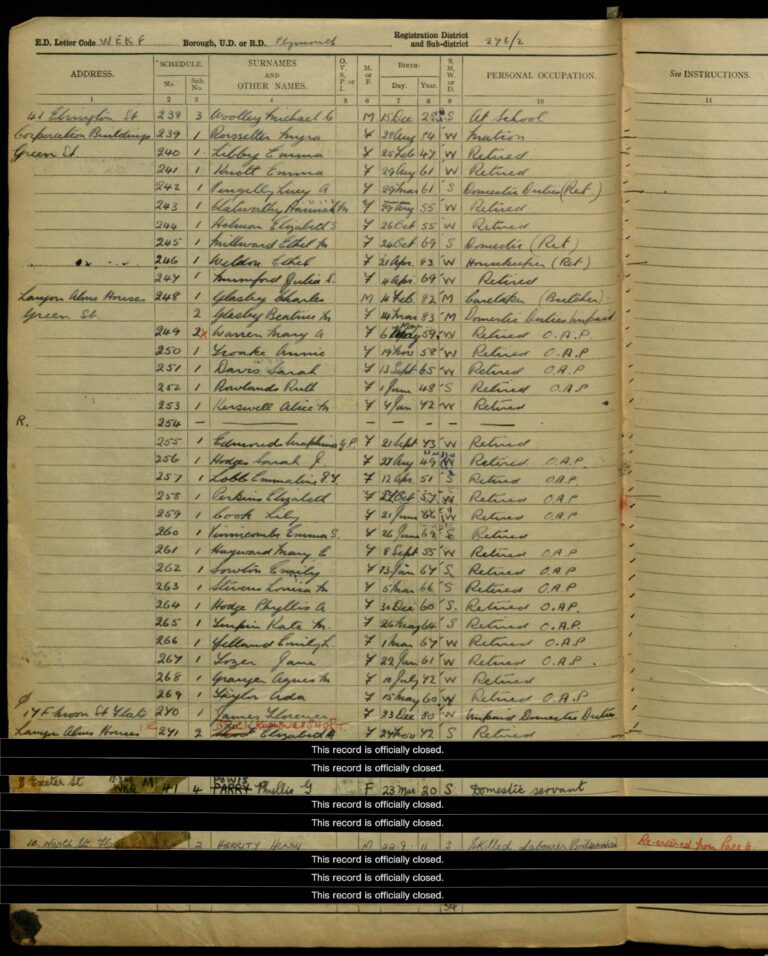
This project taught me a lot about how best to use archives. We had a few facilitated sessions with Archive staff who had preselected what they thought would be relevant. This was so helpful as it showed me the sorts of things the archive had that I could then search for. For example, historic maps, artists renditions of plans, ownership documents. I then returned and was able to order items specific to my 3 sites.
Most of my research took place on British Newspaper Archives. This allowed me to see what happened on the street and to its residents. By searching for the streets around I was also able to find the adverts for paving and lighting when the street was originally build and track which houses were built first. I also used the local directories to see the professions and roles the street’s residents took in the community. This research was possible thanks the public libraries and I forever remain indebted and very thankful.
For this project I also learnt a lot about built heritage and town planning. We were shown on a walking tour how Plymouth was built up, responding to different immigrants and various needs in the town. I still use this learning, often noticing the different developments in other towns and cities.
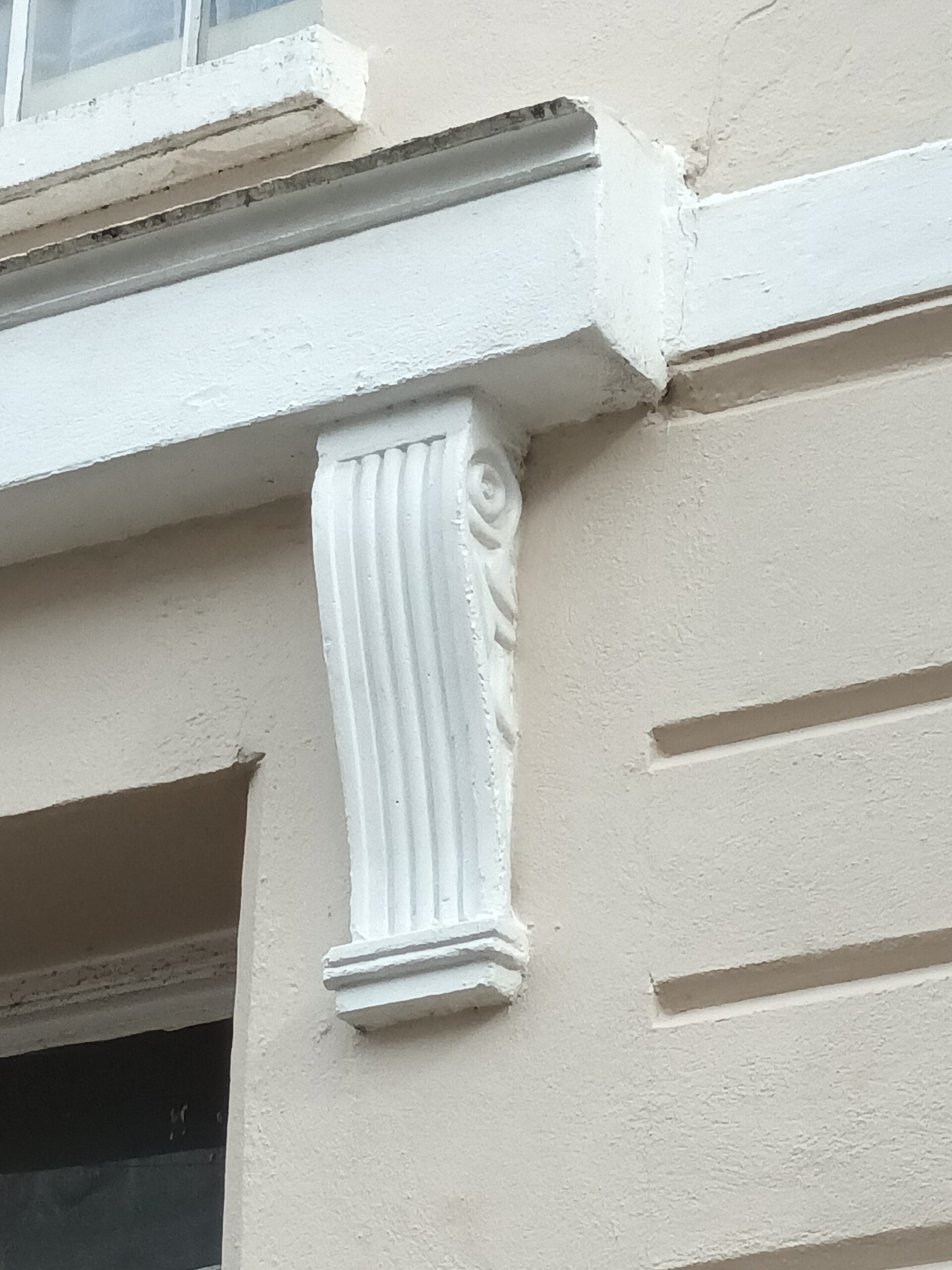
I also taught myself what each of the terms meant as used in the original complex architectural descriptions, learning these to then describe and almost translate them into lay speak.